Inglewood Breaks Ground on the Inglewood Transit Connector, Launching the Rebuild of Historic Downtown
First phase will deliver three mobility hubs, a pedestrian bridge to the Metro K Line
and a rebuilt Downtown streetscape ahead of the 2028 Olympic and Paralympic Games
INGLEWOOD, Calif. — City of Inglewood leaders, joined by state, regional and community partners, today broke ground on the quarter-billion-dollar first phase of the Inglewood Transit Connector (ITC). The project will build three mobility hubs, a pedestrian bridge to the Metro K Line and a rebuilt Downtown streetscape that will keep Inglewood moving on event days and every day.

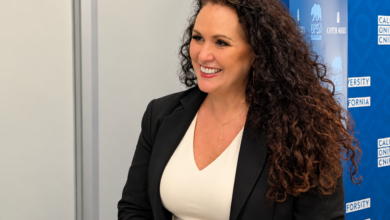
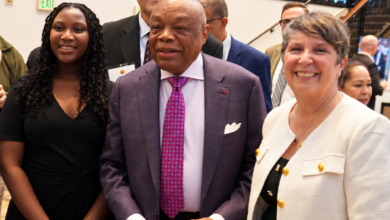
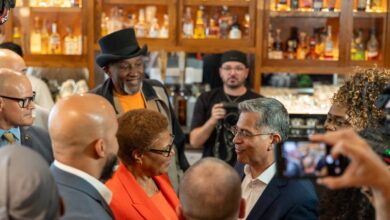
The ceremony took place at the site of the future Market & Florence Mobility Hub, just south of the Metro K Line Downtown Inglewood Station. Hosted by Adai Lamar of 102.3 KJLH, with the Inglewood High School Marching Band performing at the start and close of the ceremony, the program featured Mayor James T. Butts, Jr.; Assemblymember Tina McKinnor; California State Transportation Agency (CalSTA) Secretary Toks Omishakin; Inglewood City Council members Eloy Morales, Jr., Dionne Faulk, Gloria Gray and Alex Padilla; South Bay Cities Council of Governments Chair Bill Uphoff; Plenary Executive Chairman Dale Bonner; and Eddie Escotó Alvarez of the Los Angeles/Orange Counties Building and Construction Trades Council.
“Eight years ago, the Inglewood Transit Connector was an idea on paper. Today, it is a shovel in the ground, and by the spring of 2028, it will be streets full of people. When the world arrives in 2028, Inglewood will be ready. But more important, long after the cameras leave, the infrastructure easing congestion and bringing Downtown back to life will still be here for our families, our businesses and our children,” said Mayor James T. Butts, Jr.
After bids for a people mover came in higher than the City could responsibly afford in 2024, Inglewood went back to the community and rebuilt the plan into a first phase it could fund and deliver.
Phase 1 is funded through competitive state and regional transportation grants, led by the State’s Transit and Intercity Rail Capital Program (TIRCP), with no General Fund dollars and no new tax.
“For generations, residents have dreamed of bringing Market Street back. Today, we stop talking about it and start building it. The Olympics are the deadline, but the residents of Inglewood are the reason. They deserve clean, safe streets, reliable transit and a downtown they’re proud of. Not someday. Every day,” said Assemblymember Tina McKinnor.

CAN YOU DIG IT— Mayor James T. Butts, Jr.; Assemblymember Tina McKinnor; California State Transportation Agency (CalSTA) Secretary Toks Omishakin; Inglewood City Council members Eloy Morales, Jr., Dionne Faulk, Gloria Gray and Alex Padilla; South Bay Cities Council of Governments Chair Bill Uphoff; Plenary Executive Chairman Dale Bonner; and Eddie Escotó Alvarez of the Los Angeles/Orange Counties Building and Construction Trades Council.
“This is exactly what the Transit and Intercity Rail Capital Program is for — connecting communities to the regional rail network with real, lasting benefits,” said Toks Omishakin, Secretary of the California State Transportation Agency.
Elevate Inglewood Development Company LLC, led by Plenary Americas with contractor Swinerton and designer Walter P Moore, designed the project and will now build, finance, operate and maintain it under a single guaranteed-maximum-price agreement.
WHAT WILL BE BUILT
Three mobility hubs along Market Street will add more than 1,000 parking spaces and create designated spaces for rideshare pick-up and drop-off and bike and pedicab access. The Market & Florence hub will also include transit-oriented retail and a ten-bay bus plaza. A pedestrian bridge over Florence Avenue will connect Downtown directly to the Metro K Line. Market Street, Manchester Boulevard and Queen Street will get new sidewalks, landscaping, lighting and wayfinding.
By giving visitors a place to park and connect to transit, the project is designed to reduce traffic cutting through residential side streets and make surrounding neighborhoods safer and quieter.
Construction begins in November and will continue through Spring 2028. Roadway work will mostly occur at night and block by block, with business access maintained.
LOCAL JOBS AND PATHWAYS FOR YOUNG PEOPLE
Construction falls under a Community Workforce Agreement with targeted local hiring and apprenticeships, plus a 20% small and local business goal. Once open, 35% of operations and maintenance labor hours will go to local residents, creating opportunities that continue long after construction ends.
Through Inglewood Unified School District and the building trades, students will have opportunities to meet the engineers, builders and planners behind the project and explore careers in the field.