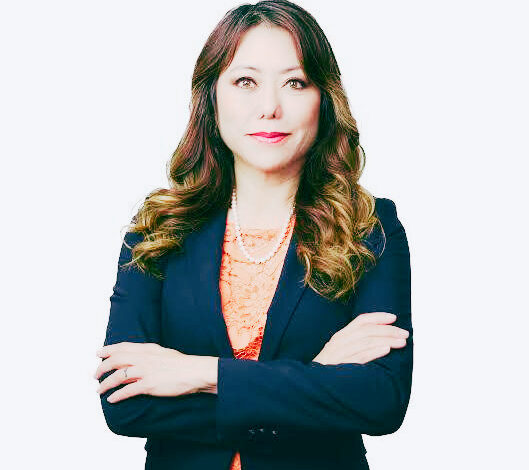
By Fiona Ma, California State Treasurer
I have always believed that public service is measured not by the title we hold, but by what we accomplish with the responsibilities entrusted to us. That belief is central to why I am running for California Lieutenant Governor.
Many Californians think of the lieutenant governorship as ceremonial. Yet the office holds voting seats on the governing boards of the University of California, California State University, and California Community Colleges. Those seats carry real responsibilities for institutions that shape opportunity across our state.
I intend to use them.
Education is foundational to an equitable society. It gives young people tools to pursue their ambitions, helps families build economic security, and allows communities to develop the talent they need to thrive. But access to opportunity still depends too often on where a student grows up, what a family earns, or whether someone has the time and resources to stay in school.
That must change.
A young Californian’s path should not be limited to one traditional route. Some students begin at community college and transfer to a university. Others discover their calling through a paid apprenticeship, technical program, or skilled trade. Many work while earning credentials, then return to school years later.
These routes should connect. Students should be able to carry relevant credits and experience forward instead of repeatedly starting over. An apprentice should be able to build toward a degree. A community college student should see a clear route to a four-year institution. A working parent should find flexible opportunities to gain skills without sacrificing a paycheck.
We need a system that recognizes ambition in all its forms.

At the same time, higher education is facing pressure. Federal research grants have been disrupted or canceled. Debates over funding, academic freedom, and diversity initiatives are placing additional strains on campuses. Students already coping with housing costs, transportation expenses, and financial uncertainty cannot afford to become an afterthought.
I believe these challenges reach far beyond university walls. When research programs lose support, we risk losing discoveries and training opportunities. When students cannot afford to finish a certificate or degree, families and employers lose potential. When barriers shut people out, our entire state pays a price.
This is especially important for first-generation students and communities that have historically had fewer opportunities to participate fully in higher education. Equity is not about lowering expectations. It is about ensuring talent and hard work are not wasted because a student lacks money, guidance, or connections.
California can do better by strengthening relationships among schools, organized labor, apprenticeship programs, and employers. Colleges can help students understand which skills lead to meaningful careers. Employers can help design paid learning experiences. Unions and training providers can offer practical expertise. Universities can make transfer pathways clearer and recognize appropriate prior learning.
And students must have a voice in those decisions.
As State Treasurer, I have seen how important it is to bring institutions together, identify workable financing tools, and focus public resources on real needs. I want to bring that collaborative, practical approach to the lieutenant governor’s role in education.
That means listening on campuses, asking direct questions at board meetings, and pushing for accountability. Are students completing their programs? Are transfer agreements working? Are apprenticeships connecting people with stable careers? Can someone afford to attend classes while paying rent and caring for children? Are students in underserved communities receiving the support they need?
Those questions deserve answers, not speeches.
I know the lieutenant governor cannot set every education policy, fund every program, or independently fix the barriers students face. Governing boards, the Legislature, educators, employers, and communities all have distinct responsibilities. But the office offers a statewide perspective and a valuable seat at the table. Used actively, it can help connect people and institutions that too often work in isolation.
My goal is not to steer every student toward a four-year degree. California needs nurses, researchers, teachers, electricians, technicians, engineers, agricultural workers, entrepreneurs, and skilled tradespeople. We need pathways that allow individuals to change direction, continue learning, and advance throughout their lives.
A credential earned at a community college should be a beginning, not a dead end. An apprenticeship should be recognized as a valuable educational achievement. A university degree should remain attainable for students whose families have never had that opportunity.
Above all, young Californians should not have to choose between earning a living and building a future.
I am running for lieutenant governor because I believe this office can make a meaningful contribution to that work. Its influence will depend on showing up, doing the homework, building partnerships, and insisting that education remain a door to opportunity.
An office is not defined only by the powers it possesses. It is also defined by what its occupant chooses to do with them. I intend to make them count.